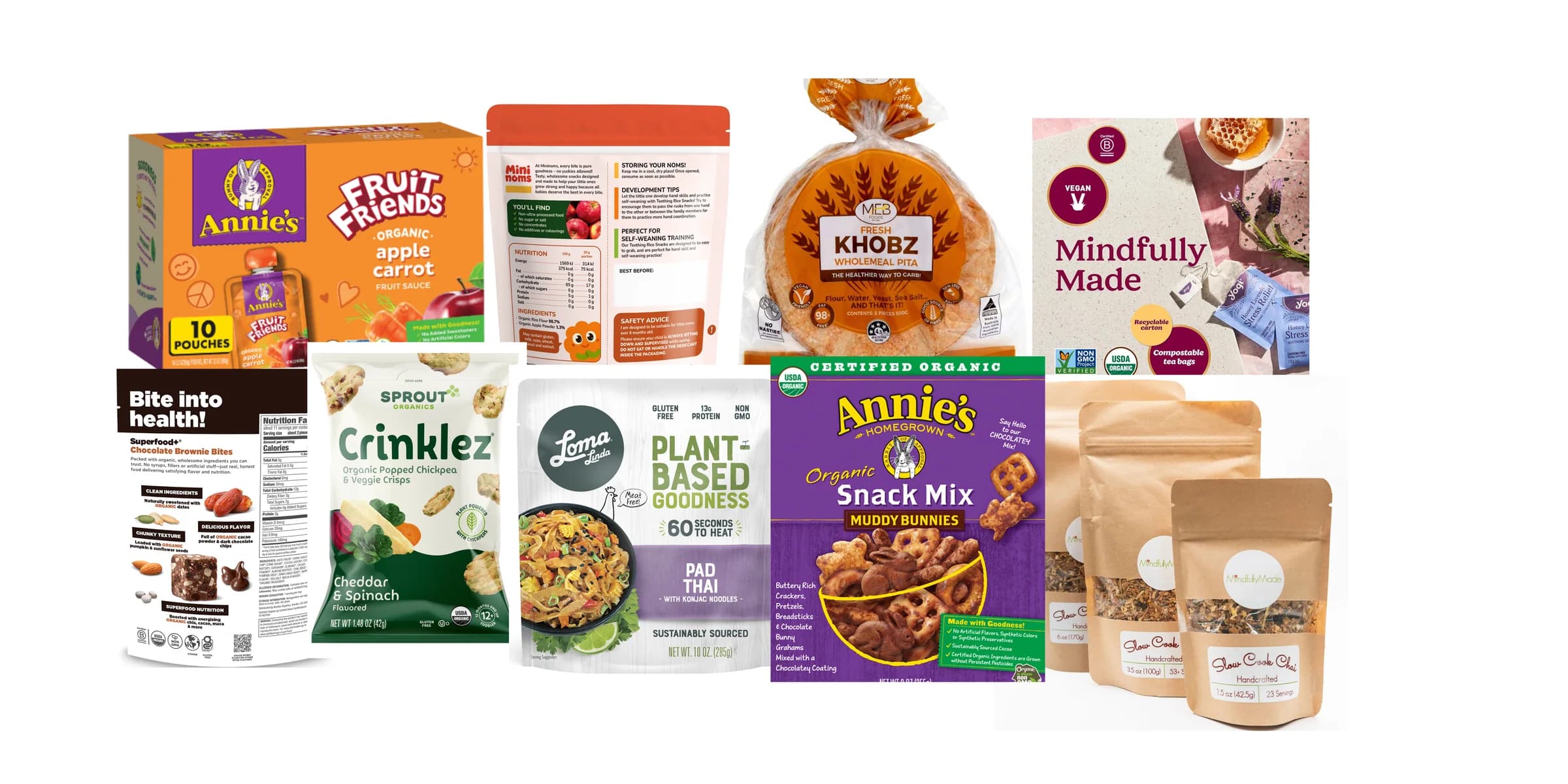
When I walk through a supermarket, I sometimes find the front of a food package more interesting than the food itself.
We see words such as wholesome, guilt-free, premium and crafted everywhere. They sound reassuring. Some make a product feel healthier, while others make it seem more natural, more carefully prepared or simply better than the product next to it.
But what do these words actually tell us?
In many cases, not very much. They do not tell us how much sugar, salt, fibre or protein a food contains. They do not tell us how the product compares with similar products. Most importantly, they do not come with a standard nutritional threshold that every manufacturer has to meet.
This does not mean that everything written on a package is unregulated. Quite the opposite: many nutrition and health claims are regulated, particularly in the European Union. Claims such as low fat, high fibre, source of protein and no added sugar have specific conditions of use. A manufacturer cannot use them simply because they sound attractive.
The words in this article belong to a different category. They are mainly promotional descriptions. Food companies use them to create a certain feeling around a product, but the words alone are not a useful way to judge its nutritional value.
Why these words work
We rarely examine every product in the supermarket with the same level of attention. The front of the package helps us make quick decisions, and manufacturers know this.
A 2025 systematic review of fruit-drink packaging found that claims such as natural, together with fruit images and nutrient claims, could increase perceived healthfulness and purchase intentions. They could also lead people to overestimate fruit content or underestimate added sugar. A broader 2024 review reached a similar conclusion: nutrition and health claims can increase how healthy a product appears, sometimes regardless of its overall nutritional quality.
This is often called a health halo. One positive-looking word or image influences the way we judge the whole product.
For example, guilt-free does not tell us anything measurable about a snack. It does, however, suggest that another version of the same food should make us feel guilty. Wholesome sounds nutritious, but two products using that word may have completely different ingredients and nutritional values. Premium may refer to the price, the packaging, the recipe or nothing that can be compared at all.
In Part II, we will look more closely at the words that create these impressions and what they actually tell us about a food.
Sources
- Musicus AA et al. (2025). The Relationship Between Fruit Drink Front-of-Package Claims, Fruit Imagery, and Ingredient Disclosures and Consumer Perceptions, Intentions, and Behavior: A Systematic Review. PMID: 39894077.
- Kelly B et al. (2024). The Potential Effectiveness of Nutrient Declarations and Nutrition and Health Claims for Improving Population Diets. PMID: 38857539.